
drown
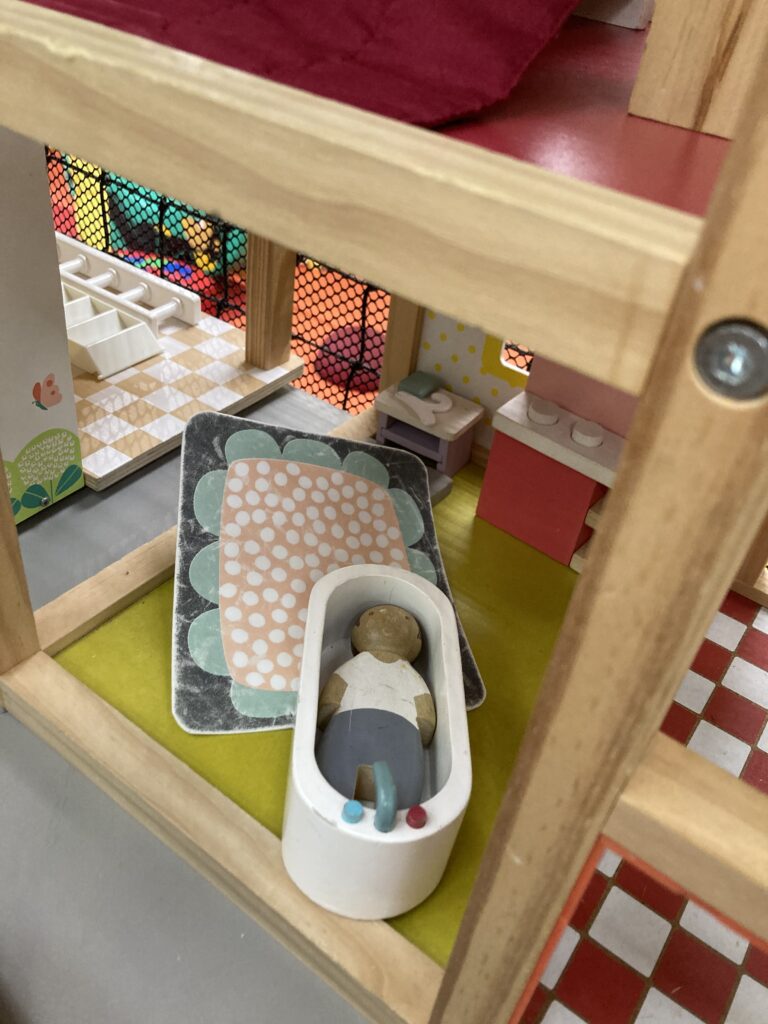

As a rule, I tend not to engage in any of the interactive costume-wearing portions of the attractions I visit. This comes across as being a bit of a spoil-sport somehow, and despite my travelling mostly alone all these years, there is a tendency for other visitors to sense my hesitation and to take it as an opportunity to offer to hold my phone and take my picture or otherwise call me out on my perceived unwillingness to dress up for a photo-op.
The thing is: travelers are dirty. Grime is unavoidable on the road and I say this as a usually-filthy person myself. I sweat, sometimes, my back sticking to the driver’s seat of the camper when the sun shines through the windshield and heats up the cab. I drop crumbs on myself and spill drinks and sometimes wear the same shirt for a day or two on end. I rarely change my pants. I wear the same shoes every day- their reeking inners plugged up by my feet.
I do change my socks.
My point, in all this, is that I wouldn’t want to wear a costume after somebody like me has worn it. There are parasites out there. And communicable skin diseases. Bad vibes, even- they could permeate the clothes and make for a rough day. I avoid costumes where I can but, as I pull into the parking lot of ‘Dress Like Me,’ I get the distinct sense I won’t get out of it this time.
‘The general consensus on ‘Dress Like Me’ is that it is one man’s fetish put on display in such honest terms that there is something almost wholesome about it. The owner, Freddie Lawson, does not agree. He claims that there is nothing sexual about his business, has chosen, instead, to think about it as a sort of art project. This, he explains to interviewers who are dressed in his clothes- they must be in order to secure the interview. Lawson does not speak to women who aren’t dressed like him and rarely speaks to men unless they do the same. He’s quick to end any interview that suggests there is a deviance in this hobby of his. Sometimes he posts rambling political tirades online. Reading them, you wouldn’t think he’d be so hung up on clothes.
Lawson doesn’t have much in terms of style. This is not to say his clothes are out of fashion, though some certainly are. It’s just that his wardrobe is, at once, eclectic and run-of-the-mill. The wildest items he owns tend to be t-shirts from dive bars and old shirts featuring the patterns of yesteryear. His weirdness leans vintage, which makes it a little hip, even, but not any more interesting than one might find at the local thrift store. If one were to dress as Lawson for the day, the costume would be unlikely to raise the eyebrows of the general public, which brings us back to the question: why?
We know, of course. We just want Lawson to admit it.’
“Well a fine welcome to you, young man.” Lawson is older than I’d imagined, likely in his late seventies. He’s built like an old farmer gone soft and he walks with a frailness that he doesn’t seem entirely used to. He’s the sort of man that slaps a stranger on the back when he greets them. He meets me in the parking lot, “Just you, eh? That makes it easy. And you’re round about the right size. Come on in and we’ll see what we’ve got for you.”
The ‘Dress Like Me’ experience costs five dollars. The payment is comforting, somehow, placing this in the sterile realm of business transactions rather than whatever else it might be construed as. Less comforting is that there is no ticket- that Lawson simply tosses the bill loose on a table in his excitement to get me to the bedroom.
“Had some people in to do up the closet.” Lawson takes the stairs slowly. “Everything hanging and in order now. Kneeling over those old plastic boxes were aggravating my knees and everything came out creased. Now you and me get to enjoy it all hung and ironed.”
He opens the door with a flourish and, indeed, I see that he’s got several closets and that each is packed tight with clothes hanging on reinforced bars. In the center of it all is one of those full-length, multi-angle mirror situations one tends to see in stores.
There’s a camera and he sees me see it. “No worries about that one. Just some security.” Lawson walks over and produces a small piece of paper with a strip of painter’s tape already adhered to the upper side. He uses this to block the camera.
“You’re not worried about me?” I ask. They may be the first words I’ve spoken to him, and they produce a belly laugh.
“Let’s get you dressed.”
-traveler
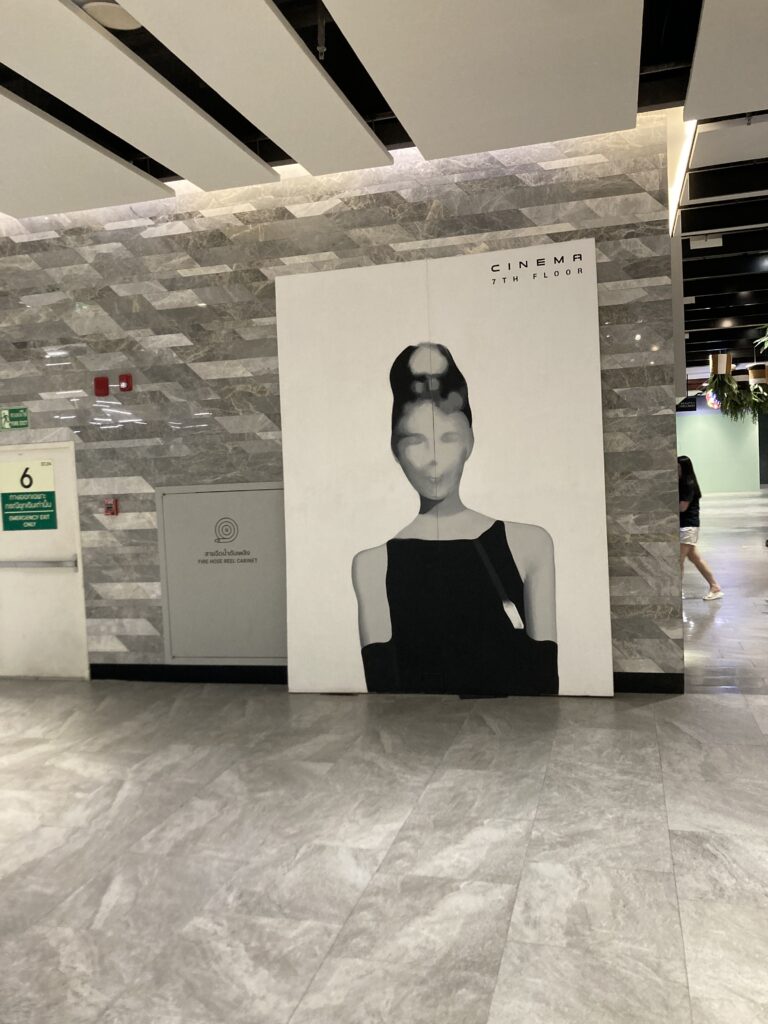
‘Rarer, now, but not entirely gone are the deep South’s ‘Play-dough Separating Machines,’ largely placed in gas stations and in the foyers of highway diners. These machines stand about the height of a man and feature a simple set of illustrated instructions, indicating that a user might dump their rolled up balls of mixed-color play-dough into the cavernous mouth of the machine, place a number of little tubs equal to the number of colors represented in the ’return’ area at the bottom, and then work the crank until all of the play-dough has been processed. In a properly functioning machine, the amalgamation will be separated into the sum of its parts and a small drawer off to the side will fill with hair and dust and whatever else non-play-dough may have happened to have been mashed into the clump prior to separation.
These machines, which have no electronic components, have been the source of a great deal of head-scratching by interested engineers. Several have been taken apart in an attempt to understand their technology but, in all cases, this has resulted in the destruction of the machine. Once disassembled, nobody seems quite sure how to fit the things back together. The consensus is that they shouldn’t work.
But they do.
‘Play-dough Separating Machines’ have recently lost some respectability for being associated with a network of militias that won’t quite admit to being white-supremacist, but which freely suggest there might be a great deal more harmony and progress if human races did not mix. It’s unclear whether these machines originated with the racists, or if they’ve been adopted as a convenient mascot in retrospect.
Well-intentioned backlash has led to the destruction of several ‘Play-dough Separating Machines.’ Seek them out now before they’re gone for good.’
-an excerpt, Autumn by the Wayside
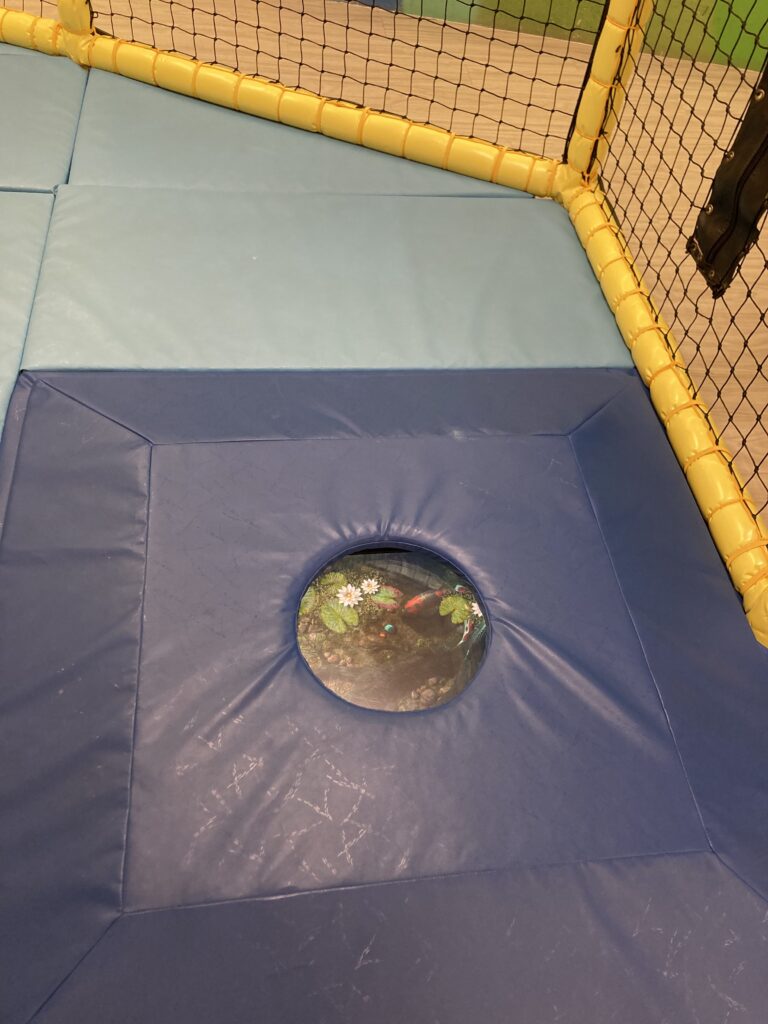
When the first shovelful of dirt hits the surface above me, I wonder if I wasn’t wrong in springing for the glass coffin option at ‘The Graveyard Capsule Hotel.’ My instinct was that the glass would provide some relief from the oppressive claustrophobia of the situation, at least at the outset, but a traditionally opaque coffin would have given me the opportunity to pretend that something else- anything else, really- was happening. With the dim light allotted to my “room,” which, to be fair, is bigger than a coffin should be, I pick up the check-in information and attempt to focus on the information presented there. It reminds me, in words that are infuriating in their calm, that the concierge will be using only enough dirt to provide even coverage and that I won’t be a full six-feet deep.
It also suggests ringing the front office a full 30 minutes before needing to use the restroom. The coffin door can be opened at any time, it reminds me, but I’m on the line for sheets that may be muddied by dirt that hasn’t been properly cleared away before exit.
A rock thuds down on the plexiglass above me and I click off the light to find myself in the pitch dark of under-earth. I recommit to my plan to just fall asleep and get it over with.
Glad I’m not wearing a suit.
‘Travelers are advised against ‘The Graveyard Capsule Hotel,’ which bills itself as a pop-up mortality experience. ‘The Experience’ appears suddenly in different parts of the country, always leaving before inquiries about public land usage can be made, and there have been at least three confirmed instances of ‘accidental abandonment,’ meaning that three people were forgotten in the ground past their normal check-out time and, for one reason or another, were unable to immediately free themselves.
“We think of that as part of ‘The Experience,’ you know,’ said Peter Dahl, owner and operator of ‘The Graveyard Capsule Hotel.’ Not everyone who dies gets flowers on their grave.”
When sleep proves difficult I order a mug of ‘sleepytime’ tea from the room-service line, without really considering the logistics. There is something chemical about the brew, I note, and then I wake up nearly a full day later, well-rested and wet with spilled tea. A note pinned to my pillow suggests the money for the tea has been withdrawn from my wallet.
Not bad, from a service perspective.
-traveler
‘It’s reasonable to worry about when, seasonally, to visit ‘The Pupate Garden’ in eastern Massachusetts, given the normal lifecycle of a butterfly or moth. Rest assured, however, that ‘The Garden’ is always the same in that every visit leaves a traveler wondering if they wouldn’t have experienced something prettier if they had simply waited a few weeks for the insects to ‘hatch.’ This time will never come and, having spent your money on an entry ticket, the employees tend to be fairly forthcoming about this little white lie.
‘The Pupate Garden’ deals in cocoons and the like and has no room for caterpillars and grubs or butterflies and moths. They are a specialty business and the tour is more about community outreach than it is about the cost of admission (though, they tend to do a lot of deflection when asked about their primary revenue streams or the legality of certain species on display).
Less a zoo and more an eerie zen garden, the few regulars who frequent the location may be are sometimes seen in deep meditation, attempting to harness the well-trodden natural metaphor of the pupate cycle. As to whether any have succeeded in that transformation, it certainly hasn’t occurred on site.’
‘The Pupate Garden’ is situated in the center of a strip mall on a desolate street in a town called Charles (or ‘Chuck’ by its residents). It’s a place formed as an afterthought to the many historical cities nearby, containing all the trappings of a real-deal town but none of the culture. Everyone was in a hurry to leave when I arrived, but I suppose that’s just morning traffic and I make a note to be out by early afternoon so as not to be stuck longer than I have to be.
The windows of ‘The Pupate Garden’ are tinted near-black, which means they take the health of their mid-life creatures seriously or that this lot used to be one of those crappy little casinos that thrive in the Midwest. The historic smell of old cigarette smoke upon entering makes me think it’s the latter.
Certain venues, for lack of space, are situated such that the ticketing counter is well within the actual confines of the exhibit, and this is true of ‘The Pupate Garden.’ Once my eyes adjust to the darkness, I see a shriveled, blotchy man at a desk ahead of me and shelves of insects, each quietly rearranging their body. There is a second where I might turn and leave, having seen what there is to see, but I step forward and pay the man and resign myself to looking more closely at this collection under his watch.
He doesn’t speak, which is a relief.
The insects are more interesting than I expect. The stillness of this stage of life gives me time to admire the colors and patterns of each chrysalis and to consider the likeness to the larvae and the eventual form, be it moth or butterfly. The only distraction is, at first, the silence of the room, and then a quiet crackling that disrupts it. I follow the sound between the shelves, thinking I’ve arrived in time to see one of the specimens hatching.
Instead, the sound leads me back to the desk, where the attendant is deadly still and leaned forward, his features locked in the difficulty of some internal struggle. I wait and I watch and the man’s face grows red, as little grunts escape his lips. Finally, he leans back in his chair and sets a little bag of chips on the desk.
“Can you help me open these?” he asks. “Arthritis.”
-traveler

There’s this collection of Hot Wheels-style tracks and cars at a place in northern California. The owners can’t quite decide on a name. The guide calls it ‘Race Town’ and I’ve seen everything from ‘Carville’ to ‘A Place for Speed.’ Some ideas work better than others. This time around, the sign says ‘Live Free or Die-Cast’ and it’s difficult for me to tell whether that’s the new name or just a motto they’re throwing around.
The inside is the same every time.
A thousand cars. A thousand, thousand miles of flexible orange roadway. The whir of those spinning foam boosters that propel inanimate cars along their tracks. A distant smell of candy from the gift shop. The trouble with this car place is a well-meaning gimmick- an AI that analyzes reported traffic patterns from the city nearby and changes up the placement and speed of cars based on its understanding. It’s not real life, exactly, but it’s a sort of symbolic representation.
And every time I’m stopped by, it’s been gridlock traffic.
-traveler
© 2024 · Dylan Bach // Sun Logo - Jessica Hayworth
Recent Comments