
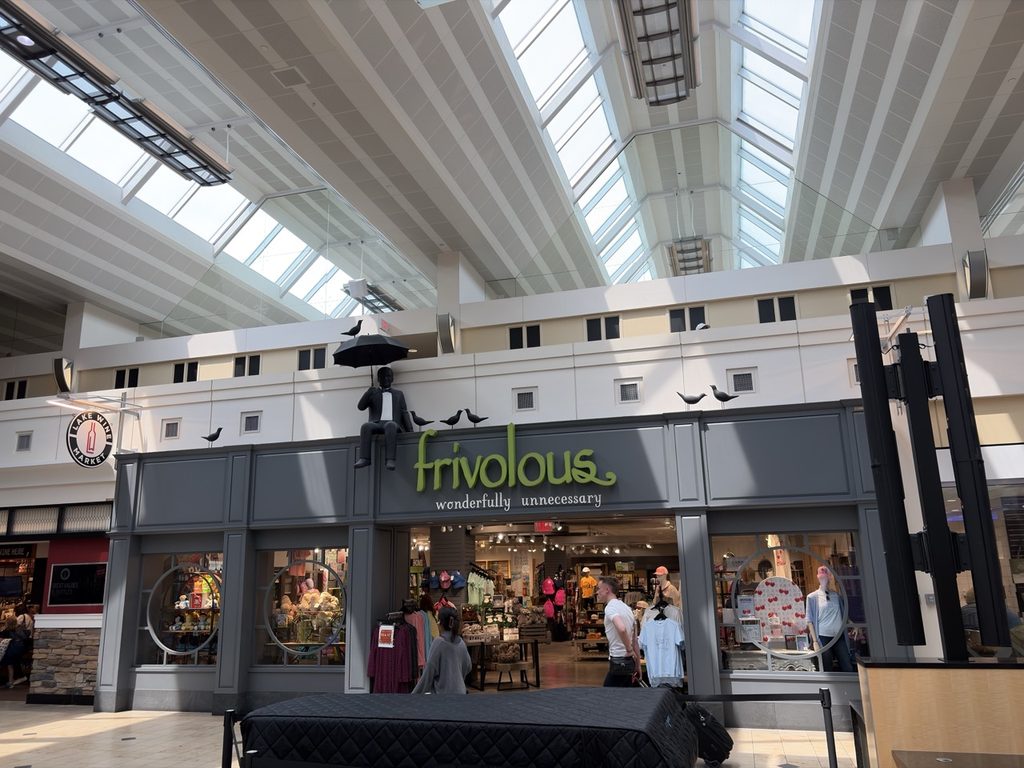
‘The knowing traveler will not heed the reviews. It’s ‘The Longest Drive-Thru in the World.’ Nobody should expect it to be fun or interesting.’
-an excerpt, Autumn by the Wayside
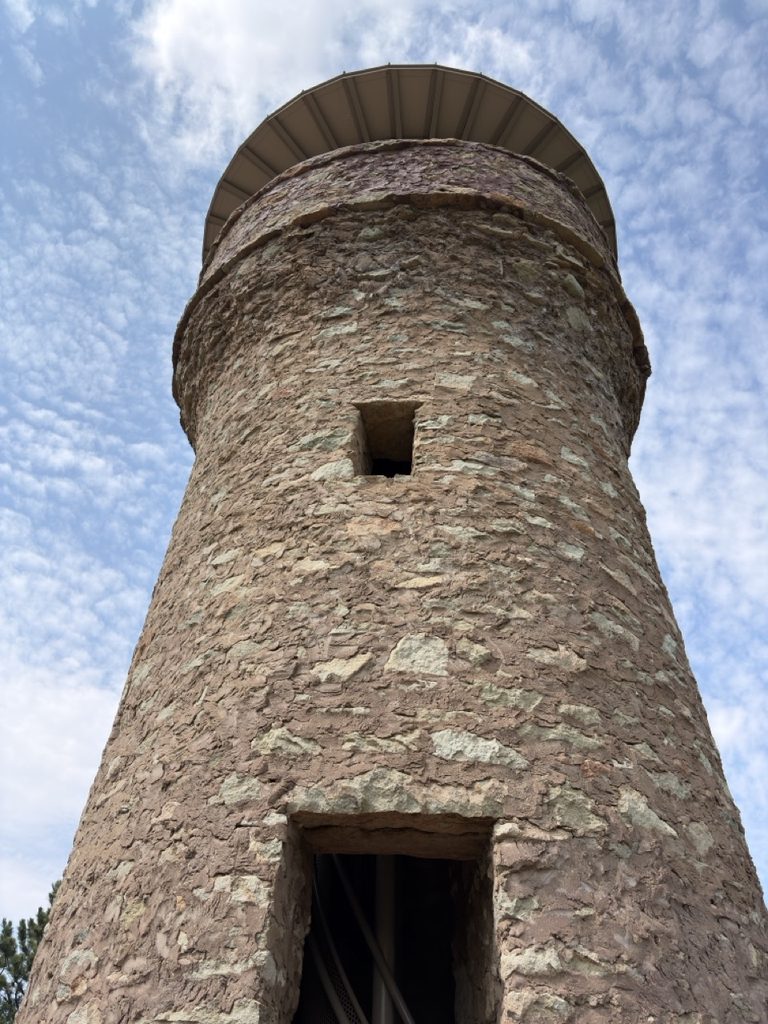
‘It may be too late to study the extinction of the American quarter marked 1964 as it’s related to ‘The Vending Machine at Stop #35,’ but correlation seems to be the general consensus. ‘The Machine’ eats these quarters and does not return them, not even when ‘The Machine’ has been opened by force. ‘The Vending Machine at Stop #35’ is only ever opened by force because nobody is known to have a key. Like other, but not all, Wayside vending machines, the model at Stop #35 receives no visible servicing. It usually works to dispense the advertised sodas. It always works to dispense a can of ‘Mocktail 64 (New).’
Mocktail 64 (New) emerges from the machine only after two 1964-marked quarters are used as payment toward any of alternate-brand fares offered by the machine. The can is faded chrome and the liquid inside is still but cold. It’s said to taste like nothing else- a nothing else that is so distinct from everything that anyone has ever tasted as to be notable and sometimes even scary, giving its tasters the feeling of discovering an abyss at the edge.
Cans of Mocktail 64 (New) are difficult to come by now, and only a few quarters from 1964 remain in circulation. The old Wayside is largely analogue and it is withering.
The new Wayside will be digital, at least in part. Some see that as a dilution, the strange lost in the strange. Others recognize the danger of the Wayside shifting into the home. They see the same process that allows interstates to sometimes decimate neighborhoods played out in rooms: the Wayside on a screen, as real as if it were there, creating corners and closets where weird realities take root and thrive.
We may see the end of Mocktail 64 (New) in our lifetime and it will be the loss of something that cannot fully be explained or remembered. Perhaps ‘The Vending Machine at Stop #35’ will follow.’
I’ve been carrying one of my 1964 quarters for nearly a decade now and it’s so pocketworn I sometimes worry that the year will fade and ‘The Machine’ will reject it. I spent it once, accidentally, in a regular machine and was nearly arrested trying to get it back out.
But it was worth it.
Today I received my second and wouldn’t you know what’s on the way to my next destination.
Time to try something new for maybe the last time.
-traveler

I don’t know that if ever settles in, that death can come at any time and from any direction and I suppose that’s the less-than-subtle point of ‘The Bullseye’ which, from ground level, looks like an ugly and impractical field.
Which it is.
Six wide rings of concrete. Six wide rings of grass. People have found use here, sometimes walking their dogs and sometimes having their elementary classes take to it with chalk under the broad theme of community beautification and a necessary callusing of young minds. For a while it served as a garden for wildflowers, a project that came about through a lot of hard work. The flowers were torn up randomly one night and ‘The Bullseye’ was reset.
I’m talking like the Guide, now.
This is my research. I see what the book says and I look the place up to make sure it hasn’t gotten any more dangerous in the meantime. When it hasn’t, I schedule it in along my route. When it has gotten more dangerous, I do the same but I prepare.
‘The Bullseye’ is a tough one.
‘Charged with an almost existential sense of anxiety, ‘The Bullseye,’ which covers many acres, seems to indicate that something will happen (or is happening) in an otherwise unremarkable field in Kansas. This potential is keenly felt, though its effect varies substantially.
Some cannot even seem to set foot in the outer ring of ‘The Bullseye,’ so fearful is the target. Others feel nothing at first- nothing for a while- before the dread builds into something cataclysmic, splitting them like a broken and emotional pressure cooker and sending them running for the interstate.
Logic says to keep out of ‘The Bullseye’ and it’s defiance of logic that draws people to its center. No sense of the site’s timeline has been uncovered, but it is this Guide’s advice to spend as little time as possible in a place so clearly marked for danger.’
It sets in for me about an hour before sunset and only after I’ve moved to dead center. From here the interstate thrums like an electrical wire, some city’s evening traffic emptying into the countryside. I’m going the opposite direction, thankfully, passing through the city on my way north and I’m wondering about the state of the roads in early Autumn frost when ‘The Bullseye’ begins to itch me and I know it’s time to leave. There might have been a time where I waited it out, hoping to ride the mental breakdown, to take notes in my journal and to edit those notes into something that sounds scholarly, rather than frightened, for those esoteric forums that consider these places.
Today I’m happy to clock out before the madness sets in too deep.
-traveler
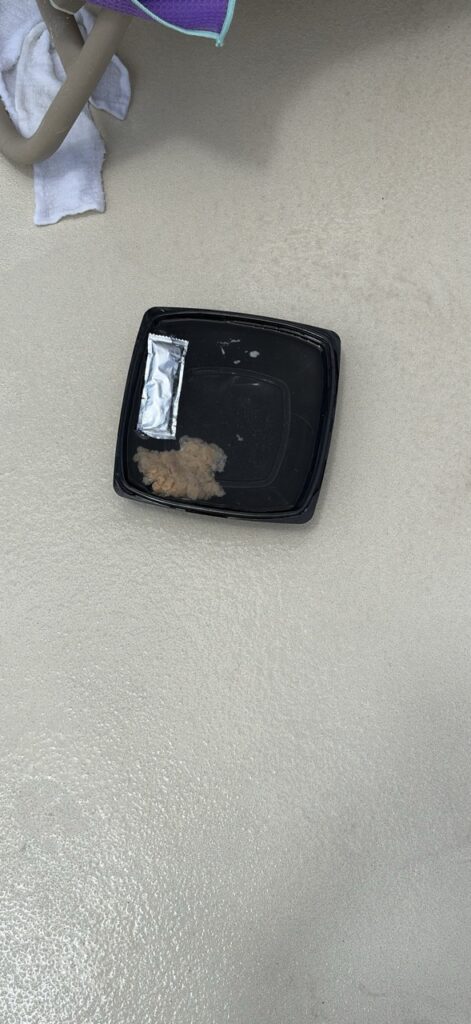
‘The location of ‘The Window to Another Place’ should have been the tip-off that something wasn’t quite right with the installation, but the eccentricity of artists has muddled the weird and the mundane before. Those who discovered it initially in an otherwise unremarkable stretch of the Utah Badlands figured the rural placement and the stark contrast of wasteland and tech were clues to the piece’s subtext. What they believed that subtext was tended to be left unsaid.
‘The Window to Another Place’ looks much like any of the many camera/monitor combos that stream, in realtime, to a place across the globe where another identical set does the same in the opposite direction, allowing, say, passersby in Dublin to interact silently with tourists in New York. Many such projects exist and their whimsy relies entirely on the viewers’ understanding of just how far apart these visual portals are as well as a sure sense that whatever’s happening on the other side represents a slice of life equivalent, if not identical, to the one they are personally experiencing.
‘The Window to Another Place’ does none of these things. Not only doesn’t ‘The Window’ not specify its sister location, ‘Another Place’ looks similar to but unlike any place known to exist on Earth. Since this discovery, many have attempted to find ‘Another Place’ and all have failed. Similarly, all attempts to prove that ‘Another Place’ is a fictional, simulated environment created by and maintained by an internal computer have been inconclusive. ‘The Window’s’ casing, or its frame, has been breached twice by curious visitors, hoping to uncover a CPU capable of such a consistent, and yet unrepeating, trick, but both times ‘The Window’s’ internals have proven to be very simple. Perhaps too simple, even, to be accomplishing what the more traditional installations of this type do. Some rumors indicate that ‘The Window to Another Place’ has no external power source and that it emits no signals.
This would seem impossible.
The last tradition flouted by ‘The Window to Another Place’ is that the people walking by in ‘Another Place’ don’t seem to want to acknowledge that they are being watched.
Sometimes they do.
Sometimes the people in ‘Another Place’ can’t help but look over out of the corners of their eyes and when they do they seem to grimace or startle and then they walk faster, careful not to look again.
Sometime in 2017 a sign appeared on ‘The Window to Another Place.’ It said: ‘Maybe we should just leave them be.’ The sign has become a fixture and several iterations have appeared as older versions have been lost to theft or weather. The message has found its way onto shirts and enamel mugs and even those clear plastic stickers for the back windows of cars but it doesn’t seem to be working.’
-an excerpt, Autumn by the Wayside
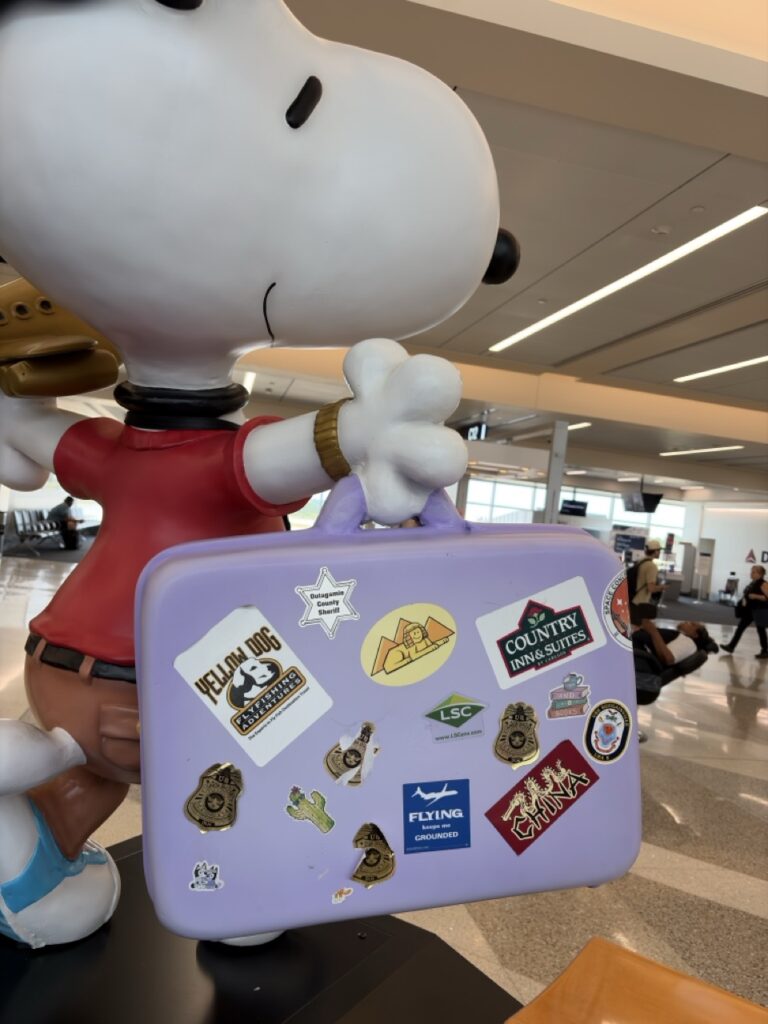
‘The Mall Mother’ comes with all the same pleasures and disappointments of an early-genre novel. The tropes are all here in their most basic forms so it’s all of what I hope for in the most boring ways. An arcade with the classics. A food court with bland American-Chinese and a non-franchise Mexican place that competes with a pizzeria that only has pepperoni and cheese. The smell of the food court saturates the stores and the clothes they sell. The same bored teenagers work in every store, varied only by their uniform. It’s like coming home.
It’s like coming home and remembering why you left.
‘Every mall that has ever come to be in America has grown from a clipping of ‘The Mall Mother,’ which was discovered, already formed and alive with employees, in the mid-1950s. It was, for a time, allowed to operate like any of the malls it spawned but, in part because nobody knew where its products came from, and in much larger part because nobody seemed to be making money from it, ‘The Mall Mother’ was converted into a look-don’t-buy style museum piece, not unlike the replica pioneer houses the dot the same region.
More recently, access to ‘The Mall Mother’ has been restricted further. Wayside Rangers believe the country is witnessing a colony collapse and attempts to save America’s malls have thus far proven ineffective. If the mall-deadly phenomenon makes it back to ‘The Mother,’ we may see a total extinction.
Visits to ‘The Mall Mother’ are now by appointment only. They are carefully guided and very expensive. The upside is that you’re allowed- encouraged, even- to buy its junk again. Everything inside holds the seed of a mall.’
I do buy a few things- some discount CDs from a second-hand rack that I can play in the trailer until the old sound system scratches them beyond fixing. Once they’re dead, I figure they’ll end up in a dumpster somewhere and since I’m traveling the states over and again maybe a few of those dumpsters will take root and turn into something worth seeing for future travelers like myself.
I guess I’ve been thinking about my own passivity. I kid myself into thinking that I only observe the Wayside, but the truth is I’ve changed it in the same ways it has changed me. Largely for the worse. I’m wondering, these days, if there isn’t room to reverse that. To maintain the Wayside and be healed by it.
-traveler
Recent Comments